Introduction
Rio de Janeiro's Carnaval, with its vibrant colors, expressive costumes, and unbridled joy, has long been a spectacle of visual and cultural extravagance. This annual festival not only showcases the rich cultural heritage of Brazil but also serves as a melting pot of creativity, influencing various aspects of global art and design. Among these, contemporary fashion stands out as a domain where the Carnaval's impact is both profound and transformative. This influence is evident in the bold color choices, innovative use of materials, and the fusion of traditional and modern designs seen in today's fashion trends.
Beyond the spectacle of its parades, Rio's Carnaval acts as a catalyst for creativity and innovation in fashion, driving designers to push the boundaries of traditional aesthetics and embrace a more global, eclectic approach. This blog post delves into how the Carnaval has shaped contemporary fashion, exploring the intricacies of its influence, and highlighting specific examples where its impact is unmistakably reflected in modern design practices.
While the introduction sets the stage for Rio de Janeiro's Carnaval, delving deeper into this cultural extravaganza reveals a tapestry of traditions and influences. From the rhythmic beats of samba music to the elaborate floats depicting historical events and mythical figures, each aspect of Carnaval is a testament to Brazil's rich heritage.
Influence on Color and Pattern Trends
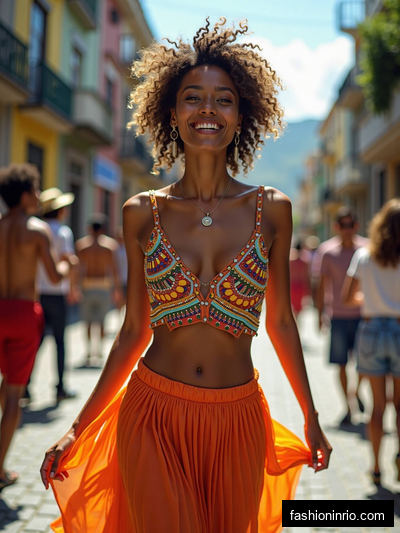
One of the most immediate and vibrant influences of Rio's Carnaval on contemporary fashion is its bold use of color and patterns. Designers inspired by the Carnaval often incorporate its vivid palette and dynamic patterns into their collections, challenging the monochromatic and minimalist trends that have dominated fashion in recent years. Brands like Dolce & Gabbana and Versace have unveiled collections that mirror the exuberance and lively spirit of the Carnaval, featuring tropical prints, neon colors, and intricate beadwork that echo the festival's costumes.
The Carnaval's influence extends beyond just apparel, impacting accessory design as well. Earrings, necklaces, and bracelets inspired by the festival often feature a mix of colorful gemstones, feathers, and metals, embodying the eclectic and vibrant spirit of the Carnaval. This trend has encouraged a more playful and adventurous approach to fashion, where mixing patterns and colors is not just accepted but celebrated.
The fusion of traditional Japanese motifs with modern streetwear has been a remarkable influence on color and pattern trends. From kimono-inspired floral prints to bold calligraphy patterns, this cross-cultural exchange has brought a fresh perspective to fashion palettes and design aesthetics.
Impact on Material Innovation
The costumes of Rio's Carnaval are renowned not only for their visual appeal but also for their innovative use of materials. This aspect of the Carnaval has significantly influenced contemporary fashion, particularly in the realm of sustainable design. Designers are increasingly experimenting with unconventional materials, drawing inspiration from the Carnaval's resourceful and imaginative costume creations. For instance, materials like recycled plastics, organic cotton, and sustainable latex have been used in recent collections by Stella Mc Cartney and Vivienne Westwood, reflecting a commitment to eco-friendly fashion inspired by the festival's ethos of creativity and sustainability.
Additionally, the use of technology in creating Carnaval costumes, such as LED lighting and holographic materials, has inspired fashion designers to incorporate similar elements into their work. This blend of tradition and technology in fabric and material innovation showcases the Carnaval's enduring influence on pushing the boundaries of what is possible in fashion design.
In the realm of sustainable fashion, the impact on material innovation has been profound. Brands are embracing eco-friendly materials like organic cotton, recycled polyester, and innovative fabrics derived from pineapple leaves and mushrooms. These advancements not only reduce environmental impact but also inspire a shift towards a more conscious consumer mindset.
Influence on Fashion Showmanship and Presentation
Beyond the tangible aspects of clothing and accessories, Rio's Carnaval has profoundly impacted the way fashion is presented and perceived. The theatricality and spectacle of the Carnaval parades have inspired fashion designers to adopt a more dynamic and immersive approach to runway shows. Designers like Alexander Mc Queen and Marc Jacobs have been known to infuse their presentations with the drama and performance art reminiscent of the Carnaval, transforming fashion shows into elaborate spectacles that captivate and engage audiences on a deeper level.
This influence extends to the marketing of fashion, where storytelling and experience have become as important as the clothes themselves. Campaigns and lookbooks infused with the narrative depth, vibrant imagery, and emotional resonance of the Carnaval experience help brands connect with consumers on a more personal and emotional level, driving engagement and loyalty.
Furthermore, the flamboyant runway displays at Paris Fashion Week have borrowed elements from the theatricality of Broadway shows, showcasing a fusion of fashion and performance art. Designers like Alexander Mc Queen and Jean Paul Gaultier have redefined fashion showmanship by infusing avant-garde presentations with dramatic storytelling and innovative stage setups.
Fostering Global Cultural Exchange
The global appeal of Rio's Carnaval has facilitated a cross-cultural exchange, introducing elements of Brazilian culture into the global fashion lexicon. This exchange has enriched contemporary fashion with diverse perspectives and practices, encouraging a more inclusive approach to design. Designers from various parts of the world draw inspiration from the Carnaval, incorporating Brazilian motifs, craftsmanship techniques, and cultural symbols into their collections, thereby fostering a global dialogue through fashion.
This cultural exchange is not unidirectional; the influence of global fashion trends on the Carnaval itself is evident in the incorporation of international fashion elements into Carnaval costumes and performances. This symbiotic relationship between Rio's Carnaval and the world of contemporary fashion exemplifies the dynamic interplay of local and global influences in shaping cultural expressions and creative industries.
Beyond Rio's Carnaval, initiatives like the UNESCO Creative Cities Network are fostering global cultural exchange by connecting cities that prioritize creativity and cultural industries. Through this network, cities like Reykjavik and Buenos Aires share best practices, inspiring new cultural collaborations and innovative approaches to sustainable development.
Conclusion
Rio's Carnaval, with its riot of colors, extravagant costumes, and jubilant spirit, has left an indelible mark on contemporary fashion. Its influence is seen in the bold use of color and patterns, the innovative approach to materials, the theatrical presentation of fashion, and the fostering of a vibrant cultural exchange. The festival's ethos of creativity, inclusivity, and sustainability continues to inspire designers to explore new horizons, challenging conventional norms and embracing a more global, eclectic aesthetic.
As fashion continues to evolve, the spirit of Rio's Carnaval serves as a reminder of the power of cultural traditions to inspire innovation and change. By embracing the festival's values of creativity, diversity, and sustainability, the world of fashion can continue to move forward, breaking new ground and celebrating the rich tapestry of global cultures. Rio's Carnaval, therefore, remains not just a spectacle of momentary delight but a beacon of inspiration for contemporary fashion and beyond.
In conclusion, Rio's Carnaval not only showcases Brazil's vibrant culture but also serves as a powerful reminder of the importance of celebration and community in our lives. The unity and energy seen during the festivities reflect the resilience and joy of the Brazilian people, creating a truly unforgettable experience.